Table of Content
Because this style is pegged more to time than geography, there are a few answers that could be plausible. Depending on your preferred versions of modernism from this era, some might say that the Bauhaus school led to mid century modern design in America. Small details, including geometric seat pads and understated wishbone backs, elevate basic dining chairs in this corner nook. An array of vintage artwork adds interest around the Saarinen-inspired table. Midcentury modern furnishings are ideal for small spaces due to their pared-down silhouettes.
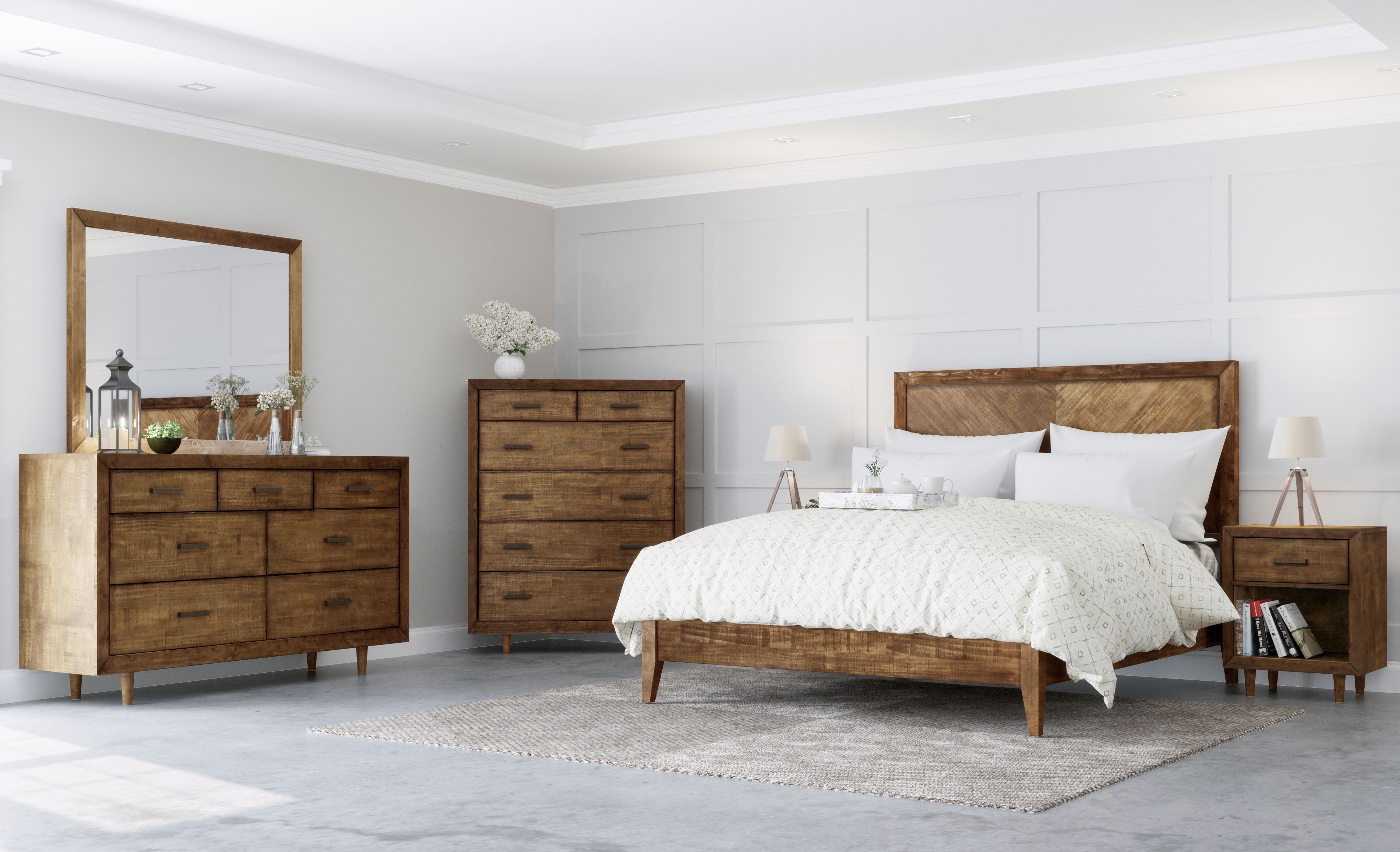
Is introduced to create balance and a feeling of calm – ideal for enhancing a space in a mid-century modern living room. Our staff will move your item to our warehouse door but cannot put it in your vehicle. Please come prepared with your own resources and tools to remove your purchases in a timely manner. If you are using a third party delivery provider, such as GoShare, your items must be picked up on our removal date. A deep soaking tub by Jacuzzi rests on artful terrazzo flooring from the Fragments collection by Walker Zanger while the shower enclosure features Calacatta stone tile from the Studio Moderne collection by Berman, also through Walker Zanger.
Better Homes Gardens Cook Book 1946 Mid Century Modern Era 5 Ring Binder Damaged
After the end of World War One, an up-and-coming urban planner, Ernst May, was commissioned to create the 'New Frankfurt'. However, many buildings in the city were to be destroyed during World War Two, when Allied bombing raids laid waste to large parts of the old city centre. Then, in 1947, it was selected to become the headquarters for the unified occupation zones of the French, the British and the Americans. By the opening years of the 20th century, Frankfurt was home to some 400,000 people.

A neutral palette, a hallmark of this style, makes it possible to layer in different patterns, materials and finishes,' he explains. With an emphasis on simple lines and purity of design, combined with the enduring beauty of wood, mid-century modern living room furniture has a timeless appeal, which sits well with other styles both old and new. Sweet shades of pink, blue, and mint green brighten up an eclectic eat-in kitchen outfitted with midcentury seating.
How do you style a mid-century modern living room?
Designing this alfresco room, Lisa McDennon started with the furniture. "I had my heart set on using the Still collection designed by Richard Frinier for Brown Jordan, as I felt it was the perfect style and scale for the space," McDennon says. For additional architectural interest, McDennon created a screen behind the chaise using sculptural ceramic modules from the Architectural Pottery collection through Vessel USA.
The licensing agreement between Realogy and Dotdash Meredith is for a 50-year term, with a renewal option for another 50 years. Better Homes and Gardens Real Estate officially launched its new franchise system on July 23, 2008. Consider olive green, pale pinks and other muted tones, orange, bright yellow, and a variety of teals and aquamarine colors. Plus, panelling for walls can be a work of art in itself – it needn't be solely architectural. You can dress it up with a unfussy, functional furniture, concrete elements and houseplants to pay homage to a bygone era.
What are mid century modern homes?
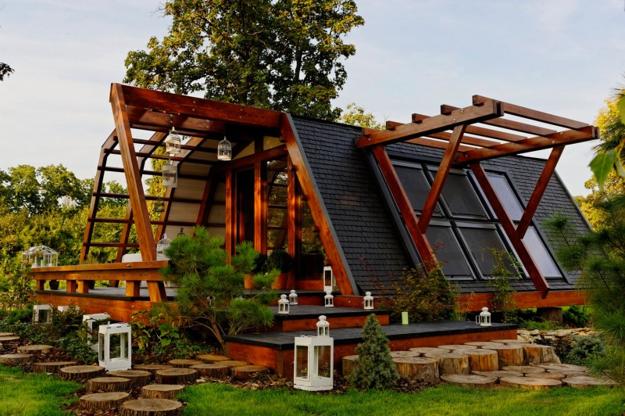
Corian tops a custom vanity designed by Greene and painted in Dunn-Edwards "Faded Gray." Bowl-like drawer pulls from Nest Studio's Glaze collection speak to midcentury style. "Moon Gate" natural-stone mosaic tile from Crossville's Yin + Yang collection covers the floor, and the dipped stool is from Serena & Lily. Mid century modern homes are characterized by the geometric lines of the architecture, flat, angled roofs that extend beyond the walls, and flat surfaces without ornamentation. Large windows that often slide open on to similarly geometric inner courtyards, patios or decks – integrating indoors with outdoors is an important design feature – are the main feature of rooms that often have changes in level.

"I love a soft palette for primary bedrooms and baths with a shock of color and pattern," Michael Berman says. He began his primary suite design with a neutral textured plaster wallcovering, "Rake" from Gregorius Pineo through Kneedler Fauchère, then brought in drama with "Karma" wallpaper from Pierre Frey on the headboard wall. Desert sunlight sets aglow Berman's furnishing choices, including polished-walnut night tables with brass accents and a softly curved upholstered bed, both from his collection for Theodore Alexander.
A nod to the past with a retro-inspired, orange-and-brown color scheme. This geometric vinyl wallpaper lends a groovy pattern to a children's bedroom. A simple wood-paneled bed with white lacquered drawers balances the bold palette and boasts the "less is more" attitude of classic midcentury modern furniture. Create a midcentury modern design that doesn't feel forced by blending the style with vintage decor and classic silhouettes.
"Because of the awkward shape of the space, I really wanted a large, graphic, abstract paper on the walls to serve as a backdrop," Lucas says. "We used colors that the homeowners like and work well for the Palm Springs vibe." With the room's palette set by the wallpaper, Lucas went to work on the rest of the space. "I wanted a textural carpet that would add warmth to the marble tile floors, ground the large room, and make the seating areas feel connected," he says. More texture comes from a cream-hue outdoor velvet fabric on the custom sofa and dark green suede on the channeled barrel chairs. "We wanted the furniture to have a lot of architecture but also be comfortable and simple," Lucas says.
In the entry, Kerry Green created an inviting space that feels connected to adjacent rooms yet packs its own punch. To achieve that, she called on an array of pieces displayed in a gallery-like setting. Her starting point was a 1960s credenza by Brazilian design icon Sergio Rodrigues. "It's graphic and clean with beautiful rosewood detail—and it speaks to the era of the house," Green says. "I wanted to start with midcentury and then play with what worked with that." She paired the credenza with a 3-D work by contemporary Dutch artist Jan Maarten Voskuil. Art continues down both sides of the hall, married with midcentury Scandinavian furniture and 1970s tessellated stone pillars that display sculpture by emerging American artist Stephanie Bachiero.
To add to the wow factor, Fortner backlit the top and fascia of the vanity, which is constructed of "Gray Onyx" Corian. Vintage Italian sconces add a sense of age while art layers in a nod to nature. "I love each element, but the star of the show is certainly the oversize painting, Mother of Nature by Marco Lorenzetto," Fortner says. "I felt confident with the design, but it was missing soul. The second I added this, the room had life." This trend gives the traditional mid-century modern look a contemporary overhaul with a peppier color palette, lighter woods and practical, functional pieces designed for modern living. It is a joyful way of adding to and altering the feel of a room, without committing to redecorating whole spaces.
"The fabric from Larsen inspired the rest of my design." The fabric—along with other textile choices—adds character to a room with low ceilings and limited architectural detail. "Because I'm so textile-driven, I made sure everything had noticeable texture—the linen velvet on the bed, the nubby wool coverlet, the embroidery in the curtain fabric, and the grass-cloth wallpaper," he says. "Everything has a dry hand like the desert, nothing slick and shiny." The restful blue, white, and beige of the curtains repeats in artwork by Alex Mason over a vintage cabinet. "It's very 1980s Palm Springs and reminds me of my childhood," Greene says. "We used to have a house there when I was growing up." Hits of sophisticated black come from ceramic lamps by Ralph Lauren for Circa Lighting.

She covers interior design, decorating, home improvement, cleaning, organizing, and more. She is currently pursuing an interior design certificate from the New York Institute of Art + Design. "My inspiration came from dens from the '60s and '70s in Palm Springs by Ward Bennett and the palettes of designer Halston," Brian Paquette says.


No comments:
Post a Comment